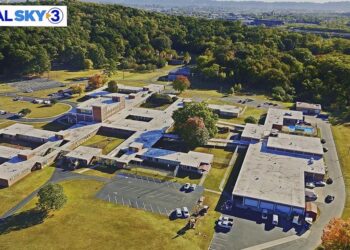

State officials have finally confirmed that the Moccasin Bend Mental Health Institute will relocate to a 49 acre plot along Birmingham Highway in the Lookout Valley area of Chattanooga. After a search for a suitable location lasted over three years, the move marks a significant shift for the psychiatric hospital, which serves residents across 52 counties in East Tennessee. The new facility is designed to expand capacity by adding fifty additional beds, bringing the total to 200, providing much needed space for patients dealing with severe and persistent mental illnesses.
The decision to move follows a 2024 investigation that determined the existing site could not be expanded because of deep layers of buried historical materials. By shifting operations away from Moccasin Bend, city and county leaders believe they can better protect one of the region’s most significant archaeological sites. Chattanooga Mayor Tim Kelly noted that this transition allows the community to convert the old grounds into a landmark public historic park, correcting previous oversights while ensuring that critical healthcare services remain available in a modern setting.
Looking ahead, the timeline for completion stretches toward the end of the decade. State leaders expect the design phase to run through 2027, with construction beginning in early 2028 and lasting roughly two and a half years. Officials are aiming to keep the project within its original budget of 260 million dollars, funds previously appropriated by the Tennessee General Assembly in 2022. While some local voices like Councilman Chip Henderson expressed initial concerns regarding how the relocation might affect the surrounding neighborhood, state agencies maintain that proximity to Interstate 24 makes it an ideal spot for accessibility.
Hamilton County Mayor Weston Wamp emphasized that this move represents a win for both public health and heritage preservation. Because Moccasin Bend is now part of a National Park Service unit encompassing the Chickamauga and Chattanooga National Military Park, removing the clinical infrastructure opens doors for greater conservation efforts. For now, patients will continue to receive care at the current site until approximately 2030 when they make their final transition to Birmingham Highway.