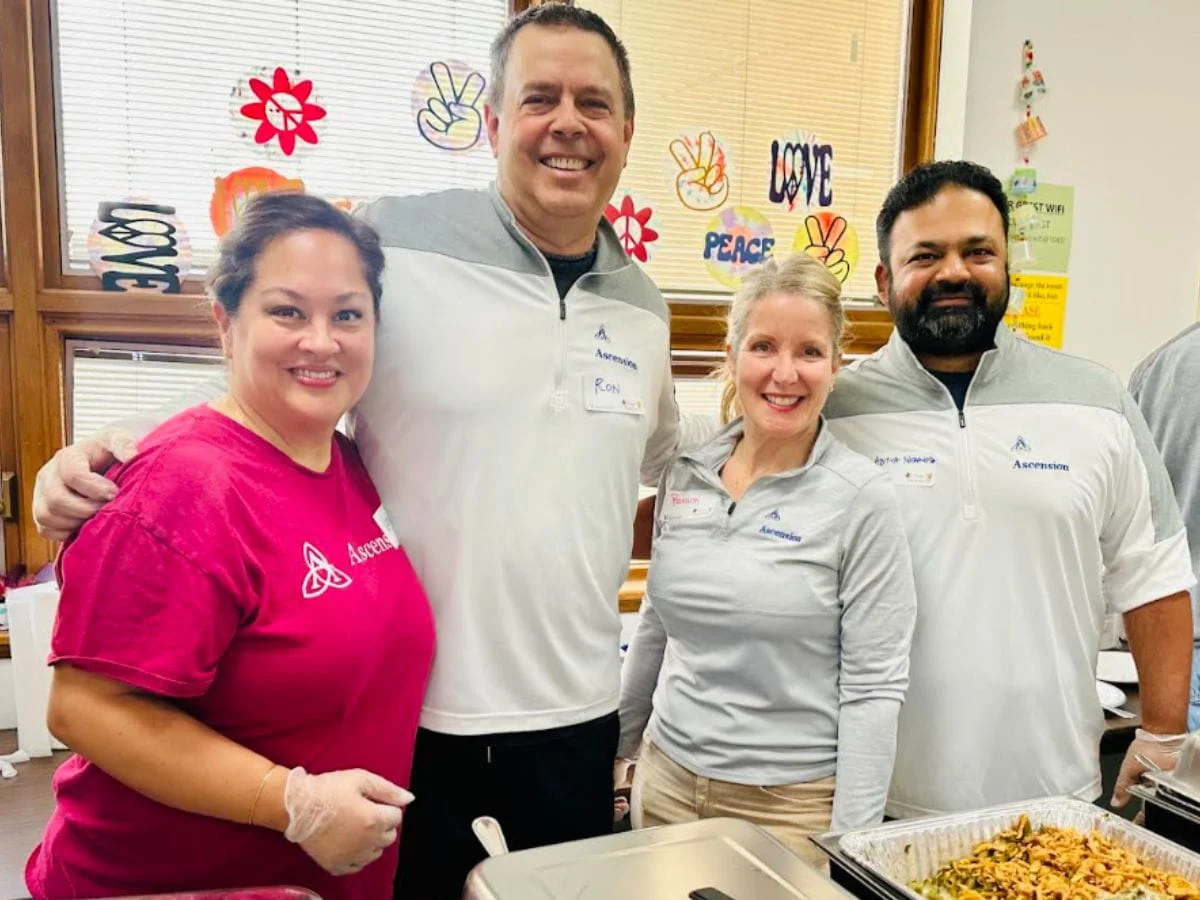
As September marks Hunger Action Month, healthcare providers are increasingly recognizing that a prescription for medicine is often less effective if a patient does not have access to a reliable source of nutrition. Across various regions, Ascension is tackling food insecurity not as a separate social issue, but as a critical component of clinical health. By integrating food access into the care model, medical teams are moving beyond the hospital walls to partner with food banks, schools, and churches, ensuring that the most vulnerable populations receive the nutrients they need to recover and thrive.
In Central Texas, this approach takes the form of the Food is the Best Medicine program, which focuses specifically on the precarious window following childbirth. Recognizing that postpartum nutrition is vital for both mother and baby, the initiative provides grocery cards or home delivered meals to families across dozens of zip codes in Austin and Travis County. Since its launch in 2022, the program has delivered over 60,000 nutritious meals and nearly 60,000 pounds of fresh food. By tracking data on postnatal depression and diet quality alongside food security, clinicians are gaining deeper insights into how targeted nutritional support can fundamentally alter maternal health outcomes.
Similar innovative models are appearing elsewhere to treat chronic conditions like hypertension and Type 2 diabetes. In Tennessee, Ascension Saint Thomas has teamed up with the Second Harvest Food Bank of Middle Tennessee to create a pipeline between diagnosis and dinner tables. Eligible patients receive everything from biweekly produce gift cards to personalized nutrition counseling through community health workers. Meanwhile, in Oklahoma, Ascension St John is utilizing mobile solutions like a student led Veggie Van to bring fresh produce directly into neighborhoods in North Tulsa where transportation barriers often make grocery stores inaccessible.
The effort extends deeply into youth development and emergency relief throughout Illinois and Indiana as well. From distributing thousands of backpacks filled with weekend meals for elementary students at Ascension Saint Alexius to maintaining twenty four hour micro pantries for those in immediate crisis at Ascension Saint Joseph Chicago, these initiatives fill critical gaps in the social safety net. Whether it is packing tens of thousands of meals in Schaumburg or delivering supplies to students in Evansville, these coordinated efforts highlight a growing shift in modern medicine toward treating the whole person within the context of their environment.