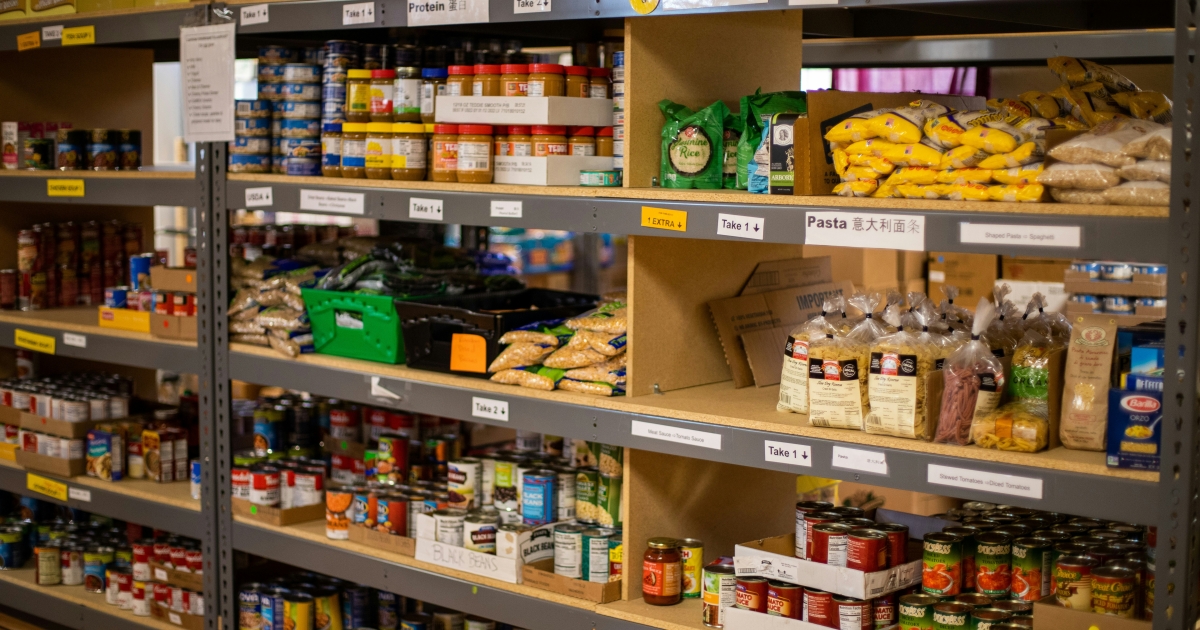
A new collaborative report is shedding light on how grocery retailers can play a more pivotal role in fighting hunger as federal support for food assistance reaches a critical low. Published by the Center for Science in the Public Interest, Johns Hopkins Bloomberg School of Public Health, and More Than Food Consulting, the study arrives at a precarious moment. With food prices hitting record highs and food banks losing roughly one billion dollars in federal purchasing power this year, the burden on local charities has intensified. This pressure is compounded by a sharp drop in SNAP participation, leaving millions more people dependent on community pantries just to get by.
The research focuses on what experts call the triple bottom line, where businesses attempt to balance profit with their responsibilities to people and the planet. By interviewing professionals across several grocery chains in the Mid Atlantic region, researchers found that while retailers are eager to help, operational hurdles often stand in the way. Many stores struggle with staffing shortages and strict food safety protocols, which frequently result in perishable but nutritious items being tossed rather than donated. Currently, most retailers track their success simply by the total weight of food given away, rarely measuring whether that food actually provides necessary nutrition.
Despite these challenges, there is significant room for growth through better coordination. The report suggests that many retailers are open to prioritizing produce and proteins if food banks communicate those needs more clearly. A major bottleneck remains logistics; fresh foods require rapid transport and specialized cold storage to remain safe for consumption. Experts argue that investing in these logistical frameworks and providing better training for floor staff would allow employees to make quicker, more confident decisions about what can be salvaged from perishables departments before it spoils.
Ultimately, the goal is to move beyond counting pounds of waste diverted from landfills and start focusing on the health outcomes of the families receiving aid. By integrating donation practices into daily routines and fostering stronger relationships between store managers and food bank coordinators, the authors believe they can create a more sustainable loop of nutrition. Strengthening this bridge between corporate interests and community needs could ensure that high quality protein and fresh vegetables reach dinner tables instead of dumpsters during a period of unprecedented economic strain.