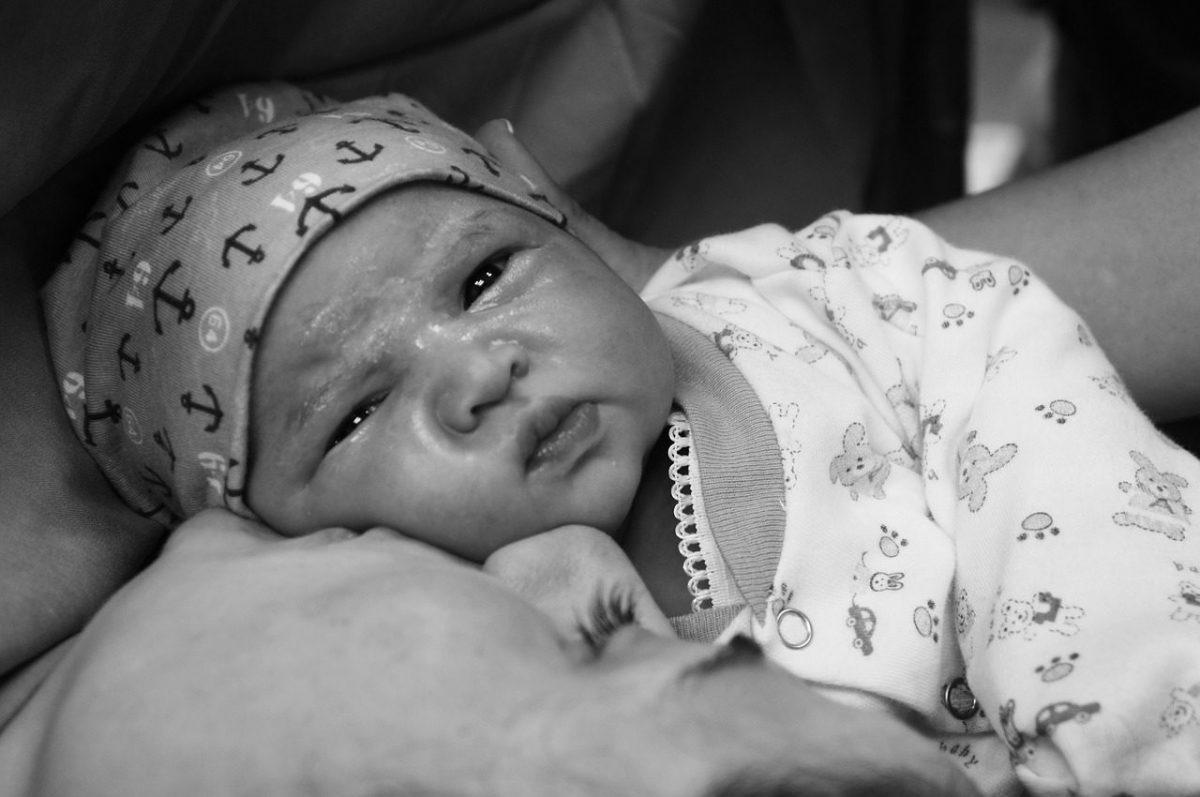
The New Jersey Department of Health is taking the opportunity this September to celebrate over six decades of universal newborn screening, coinciding with both National Newborn Screening Awareness Month and Public Health Laboratory Appreciation Month. In a state where nearly 98,000 infants are born annually, these screenings serve as a critical first line of defense. By testing newborns within their first two days of life for 61 different genetic, metabolic, hormonal, and functional disorders, health officials can catch potentially devastating conditions before symptoms even appear.
According to Health Commissioner Dr. Raynard Washington, early detection is a powerful tool that allows healthcare providers to initiate life changing treatments immediately. This proactive approach prevents long term complications and intellectual disabilities that could otherwise occur without intervention. Statistically, about one in every 350 New Jersey infants is diagnosed with a condition found on the current screening panel, which has grown significantly since 2012. The process involves a combination of hearing tests, pulse oximetry to check for heart defects, and the traditional dried bloodspot test performed via a heel prick.
Behind these lifesaving results is the tireless work of the state’s Public Health and Environmental Laboratories. These facilities handle more than 150,000 samples a year, ranging from those delicate newborn screens to monitoring foodborne illnesses and environmental threats like mosquito borne diseases. When a screen returns critically abnormal results, a specialized follow up team works quickly to connect families with specialists, often doing so within just three hours to ensure there is no delay in urgent care.
Beyond neonatal care, the state is currently leaning into broader public health initiatives such as its new Sickle Cell Disease Pilot Program. Running through 2027 with over ten million dollars in funding, the initiative supports federally qualified health centers across various municipalities to expand education and screening for adults. By integrating high tech laboratory science with aggressive community outreach and case management, New Jersey aims to create a comprehensive safety net that protects residents from birth throughout adulthood.