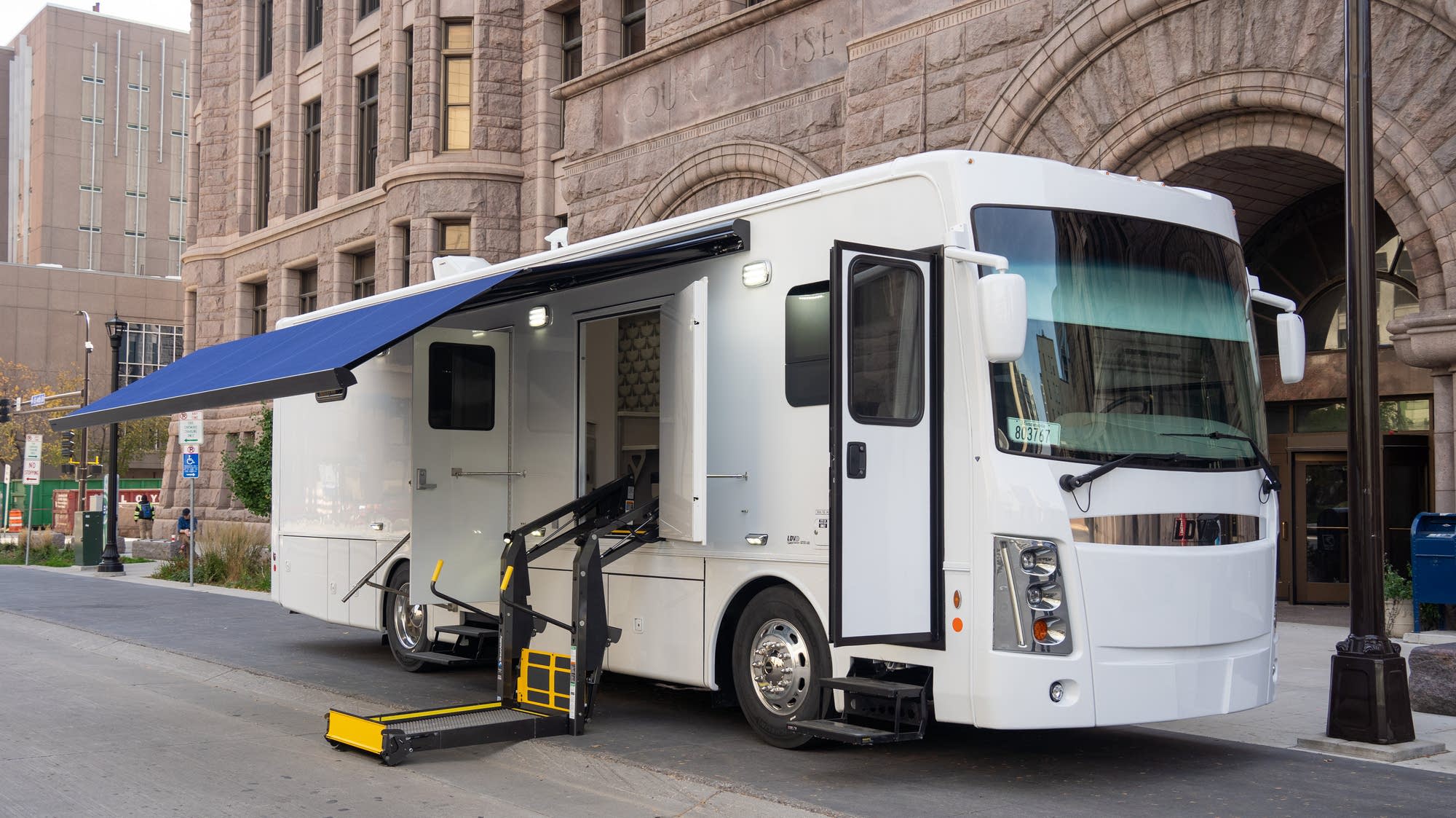
A specially equipped RV is cruising through the streets of Minneapolis, but it isn’t carrying tourists or campers. Instead, the Minneapolis Mobile Medical Unit is bringing essential healthcare and substance use treatment directly to the city’s most vulnerable residents. Funded by more than one million dollars in opioid settlement funds, the unit features two exam rooms staffed by three nurses who spend four days a week providing everything from blood pressure checks and diabetes screenings to wound care for people who lack dependable access to traditional doctors.
The program was born out of a necessity to combat the ongoing opioid crisis by meeting people exactly where they are. Registered nurse Jasmine Bloomdahl explains that the goal is to create a low barrier to entry for those struggling with addiction or facing homelessness. For many patients, traditional clinics can feel intimidating or judgmental; some have previously been dismissed as drug seekers in clinical settings. By returning to consistent locations throughout the city, the mobile unit builds trust with people who might not have a phone or stable internet to schedule an appointment, offering a safe space free from stigma.
The results from its first year of operation highlight a massive demand for these services. Staff members engaged with over 4,000 community members and facilitated more than 600 referrals for mental health services, housing, and primary care. Beyond general medicine, the team has distributed nearly 1,500 doses of naloxone to prevent overdoses and provided thousands of hygiene kits. A major priority for the team is expanding access to injectable buprenorphine, a critical medication for treating opioid use disorder that is often too expensive or difficult for local pharmacies and small clinics to stock.
While statewide statistics on opioid deaths show fluctuating trends, health officials emphasize that healthcare works best when it responds to the actual realities of people’s lives. For Nurse Bloomdahl, success isn’t just found in the data but in the small victories when a former patient swings by the RV to share that a referral actually worked_out_. Whether it is securing permanent housing or starting a recovery program, these interactions prove that moving medicine out of the clinic and onto the pavement can change lives.