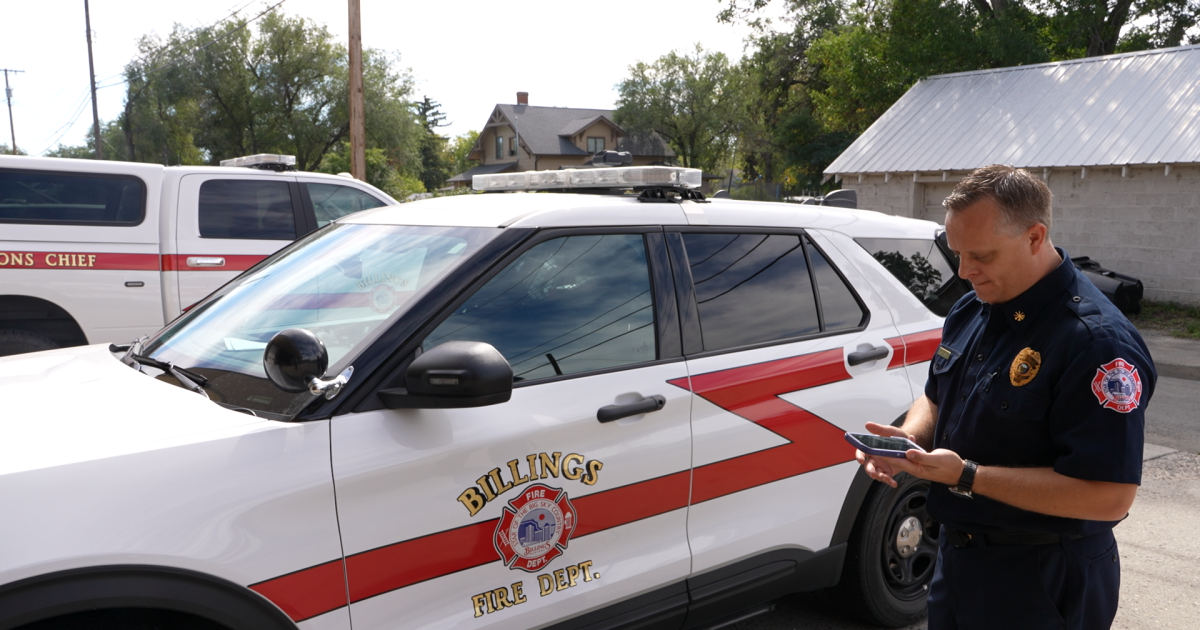
Yellowstone County is taking a significant step forward in how it handles mental health emergencies thanks to a four year, 3 million dollar federal grant from the Substance Abuse and Mental Health Services Administration. This funding will allow Riverstone Health to lead a collaborative mobile crisis response program that blends emergency medicine with behavioral health expertise. By pairing licensed clinicians with EMTs from the Billings Fire Department, the county hopes to create a specialized bridge between those in acute distress and the long term care they need.
The initiative operates like a high tech safety net starting with trained dispatchers who can begin de escalation techniques over the phone before help even arrives. When a team is deployed, they operate out of a dedicated vehicle separate from law enforcement, allowing them to enter scenes once police have ensured the environment is safe. While the EMT manages immediate physical health needs, the clinician focuses on stabilizing the individual emotionally. A critical upgrade in this new model is the warm handoff, where teams provide detailed briefings to emergency room staff to ensure patients do not simply slip through the cracks of the healthcare system upon arrival.
This project serves as a sophisticated evolution of previous local efforts that struggled due to inconsistent funding and missing clinical components. Megan Gibson of Riverstone Health noted that the community has spent over a year preparing for this rollout, viewing it as a version 2.0 of earlier programs. To ensure lasting success, the coalition includes major players like Billings Clinic and Intermountain, focusing not just on immediate crisis intervention but also on sustainable funding models such as Medicaid reimbursement for future years.
The program will roll out in stages, beginning with one two person team serving Billings and its surrounding urban service area ten hours a day. As the grant progresses, officials aim to expand to twenty four hour coverage by the second year and push these vital services into rural areas of Yellowstone County by year three. Beyond the immediate responses, care coordinators will be hired to follow up with individuals after their crisis has passed, ensuring that temporary stability turns into permanent recovery.