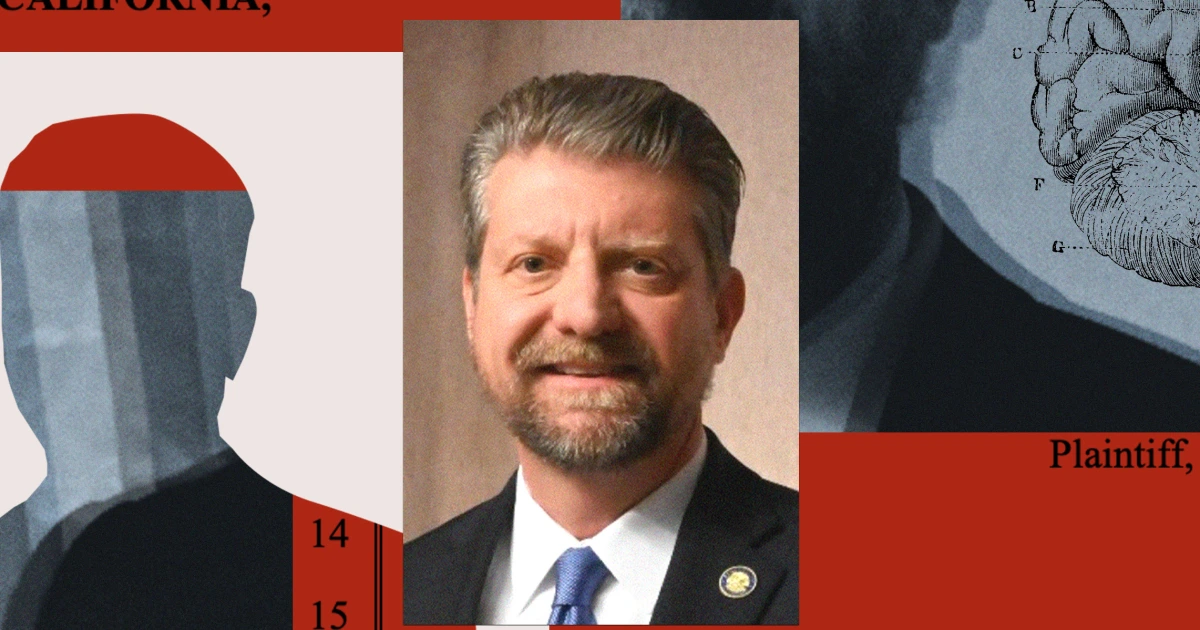
In a stark contrast between public image and private horror, Kern County Supervisor Zack Scrivner spent an afternoon in April 2024 speaking from a televised podium about the critical need to support victims of crime. Only hours after that presentation, authorities allege that the official returned home into a state of intoxication where he sexually abused his twelve year old daughter and threatened his other children with a firearm. The charges were severe, including three felony counts of child abuse and two counts involving the possession of assault weapons.
Despite the gravity of these allegations, Scrivner was granted entry into a mental health diversion program. This legal mechanism allows defendants to avoid traditional criminal prosecution and potential prison time if they agree to follow a treatment plan focused on psychiatric care. For many observers and advocates for victims’ rights, the decision felt like a failure of justice, raising uncomfortable questions about whether high ranking officials receive preferential treatment when facing violent felony charges.
The backlash surrounding Scrivner’s case quickly evolved from local outrage into a catalyst for systemic reform across California. Legal experts and lawmakers began pointing to the gap between the intent of diversion programs—which are designed for those whose crimes are directly tied to untreated illness—and their application in cases involving extreme violence or betrayal of trust. Critics argued that the existing framework lacked sufficient guardrails to prevent offenders from bypassing accountability through clinical loopholes.
As a result, Scrivner’s trajectory through the court system has fueled a legislative push to reshape how mental health diversions are handled statewide. Lawmakers are now seeking to grant judges broader discretion to deny such programs in heinous cases while demanding greater transparency and accountability from prosecutors during the filing process. What began as a devastating family tragedy is now serving as the primary evidence used by reformers to ensure that mental health support does not become a shield against justice for perpetrators of child abuse.