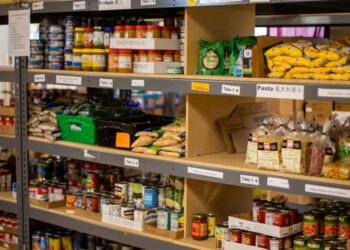
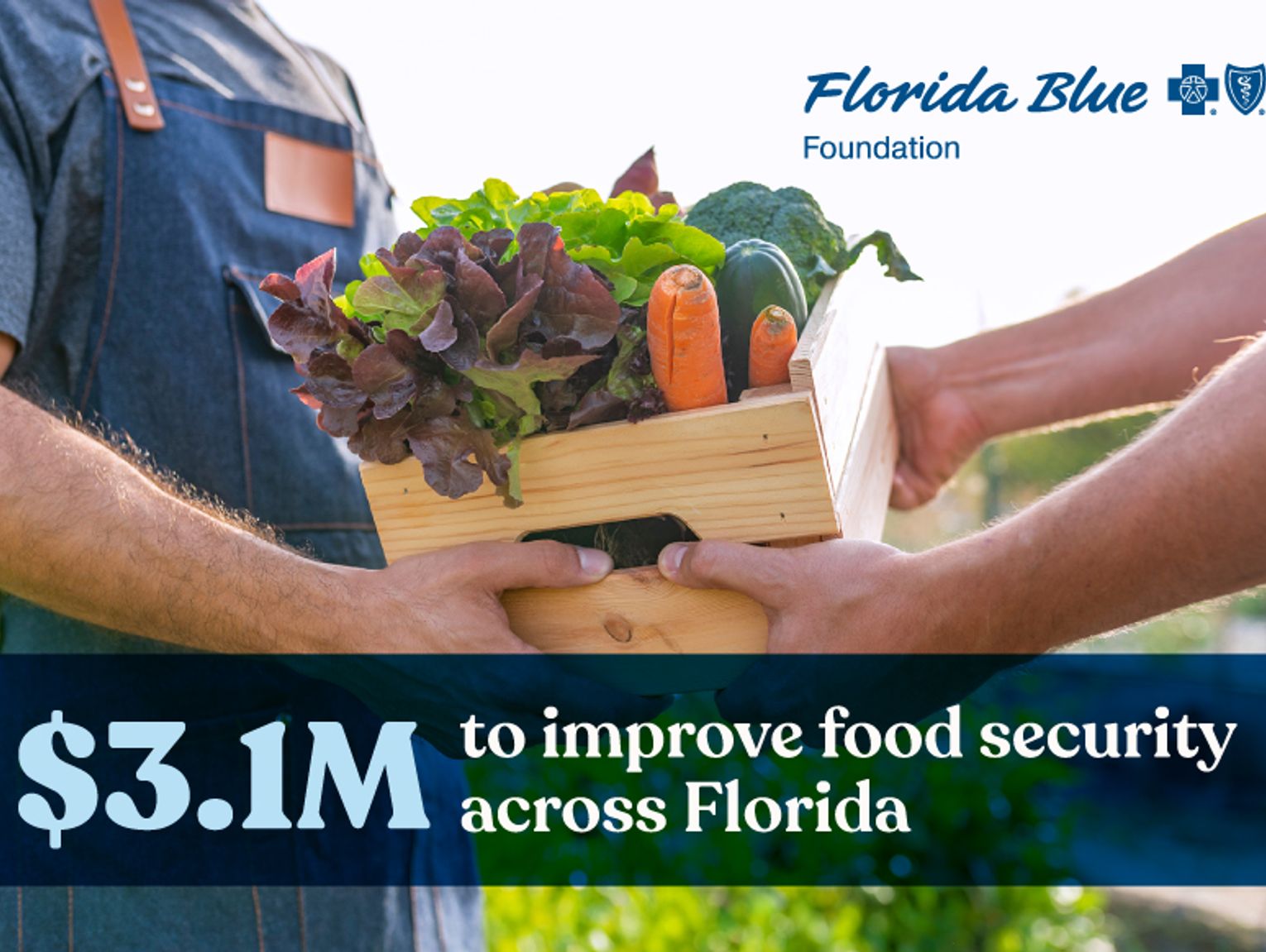
In a major effort to combat hunger and its long term effects on public health, the Florida Blue Foundation has announced $3.1 million in grants aimed at fighting food insecurity across the Sunshine State. Timed with Hunger Action Month this September, the funding will be distributed among eight community based initiatives working in several counties, including Bay, Broward, Orange, and Pinellas. By targeting the root causes of malnutrition, the foundation hopes to reduce the overall disease burden on vulnerable populations who often struggle to find reliable access to nutritious meals.
The initiative recognizes that hunger is not just about empty stomachs but is a primary driver of chronic health conditions. With roughly 3.6 million Floridians facing food insecurity, including nearly one million children, the lack of healthy options frequently leads to complications for those managing diabetes, hypertension and heart disease. Susan Towler, vice president of corporate social responsibility for the Florida Blue Foundation, noted that investing in food access is essentially an investment in health itself, aiming to break a cycle where poor nutrition leads to increased hospitalizations and higher healthcare costs.
The selected grantees represent a diverse array of strategies tailored to specific regional needs. Some projects focus on specialized demographics such as farmworkers in Palm Beach County or students within the Orange County Public School system. Other innovative approaches include FAMU’s development of a Food as Pharmacy resource hub and United Way of Northwest Florida’s plan for an AI supported workforce driven farm in Holmes County. From medical tailoring of meals via The Poverello Center to large scale food rescue efforts by Waste Not Want Not in Northeast Florida, these programs aim to fill critical gaps in the existing safety net.
Beyond financial contributions, this push toward healthier communities involves direct action from Florida Blue employees who regularly volunteer at local pantries and distribution events. This comprehensive approach seeks to bridge the gap for uninsured residents and rural communities who have historically lacked adequate grocery access. By strengthening emergency food networks and integrating nutrition education into clinical settings, the foundation aims to ensure that healthy food serves as a sustainable foundation for better long term medical outcomes statewide.