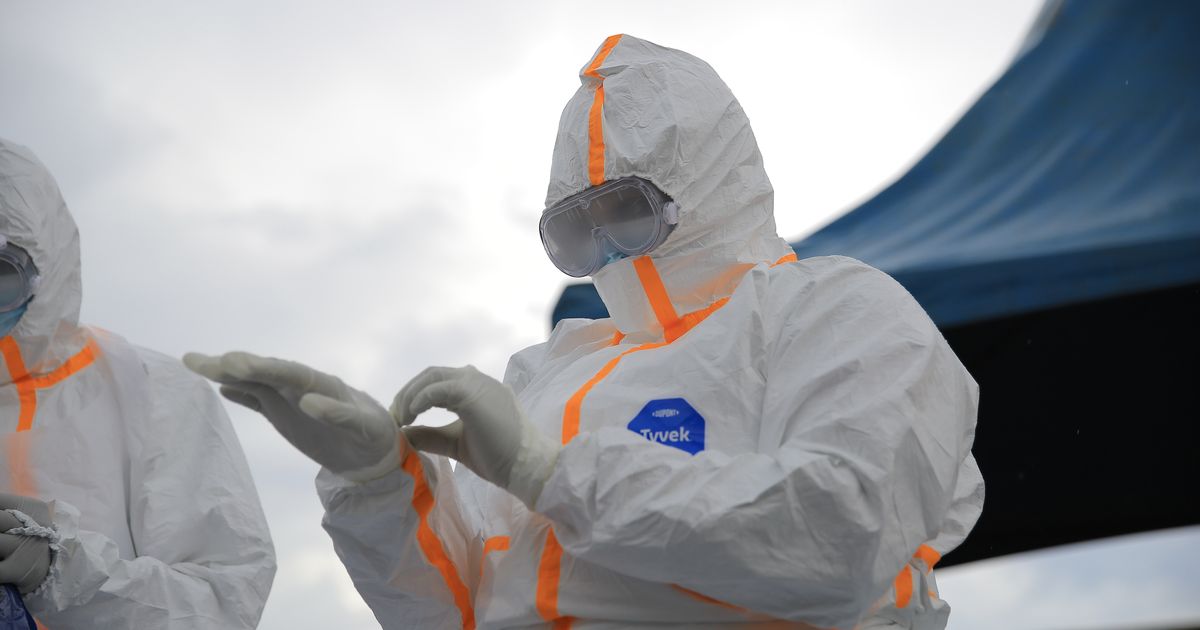
The Democratic Republic of Congo is facing a critical shortage of medical personnel just as it battles the fastest growing Ebola outbreak in history. According to warnings issued by the World Health Organization on Wednesday, the situation is particularly dire in the eastern province of North Kivu, where infections surged by seventy three percent over a mere three week period. While there have been encouraging signs of decline in other regions like Ituri and Haut Uele, health officials warn that the overall epidemic remains uncontrolled and continues to spread across a vast geographic area.
The crisis is being exacerbated by a perfect storm of instability, including widespread displacement and severe insecurity. Perhaps most damaging is a human resources gap that has left newly constructed treatment centers empty. Each facility requires roughly three hundred specialized professionals ranging from nurses to anesthetists to function properly, yet many remain unstaffed. This vacuum was worsened by recent strikes among frontline workers who protested unpaid wages, leaving patients without essential care while government officials struggled to verify payroll lists.
With nearly eight thousand confirmed cases and almost four thousand deaths already recorded, the WHO warns that this outbreak is on track to surpass the deadly twenty fourteen West Africa epidemic. Medical teams are especially concerned about the vulnerability of young children under five, who face a fatality rate exceeding sixty percent. Detecting these cases early proves difficult since toddlers cannot communicate their symptoms and often present clinical signs that confuse diagnostic efforts.
Despite adding new treatment beds daily, international agencies emphasize that infrastructure alone cannot stop the virus without paid, trained staff to manage it. As long as payment disputes persist and security remains volatile in the east, experts fear the window to contain the virus is closing rapidly. For now, response teams continue to hold public demonstrations in cities like Beni to raise awareness and urge residents to seek help before it is too late.